The Antarctic Archive

Immersive experience
woman dancing time lapse photography

PROJECT DETAILS

Year

2025

Service

Immersive Design

Team

Guadalupe Castellá

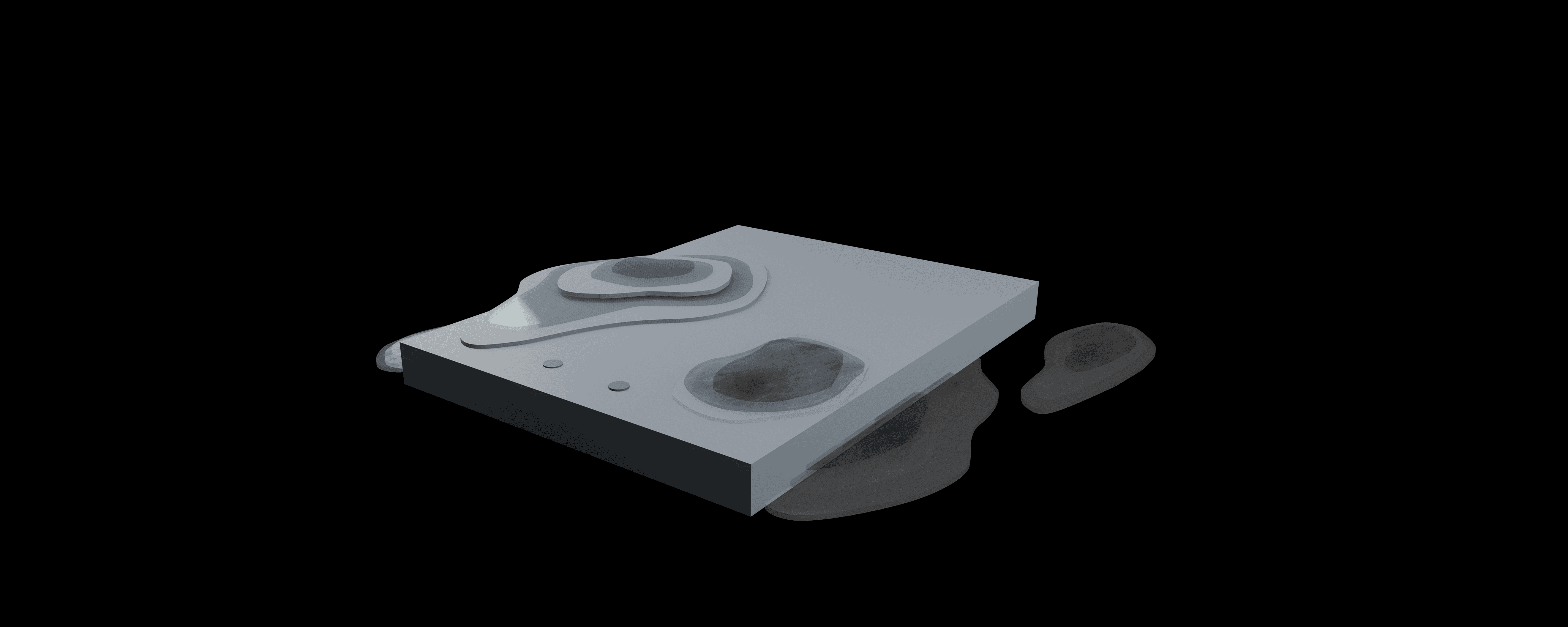
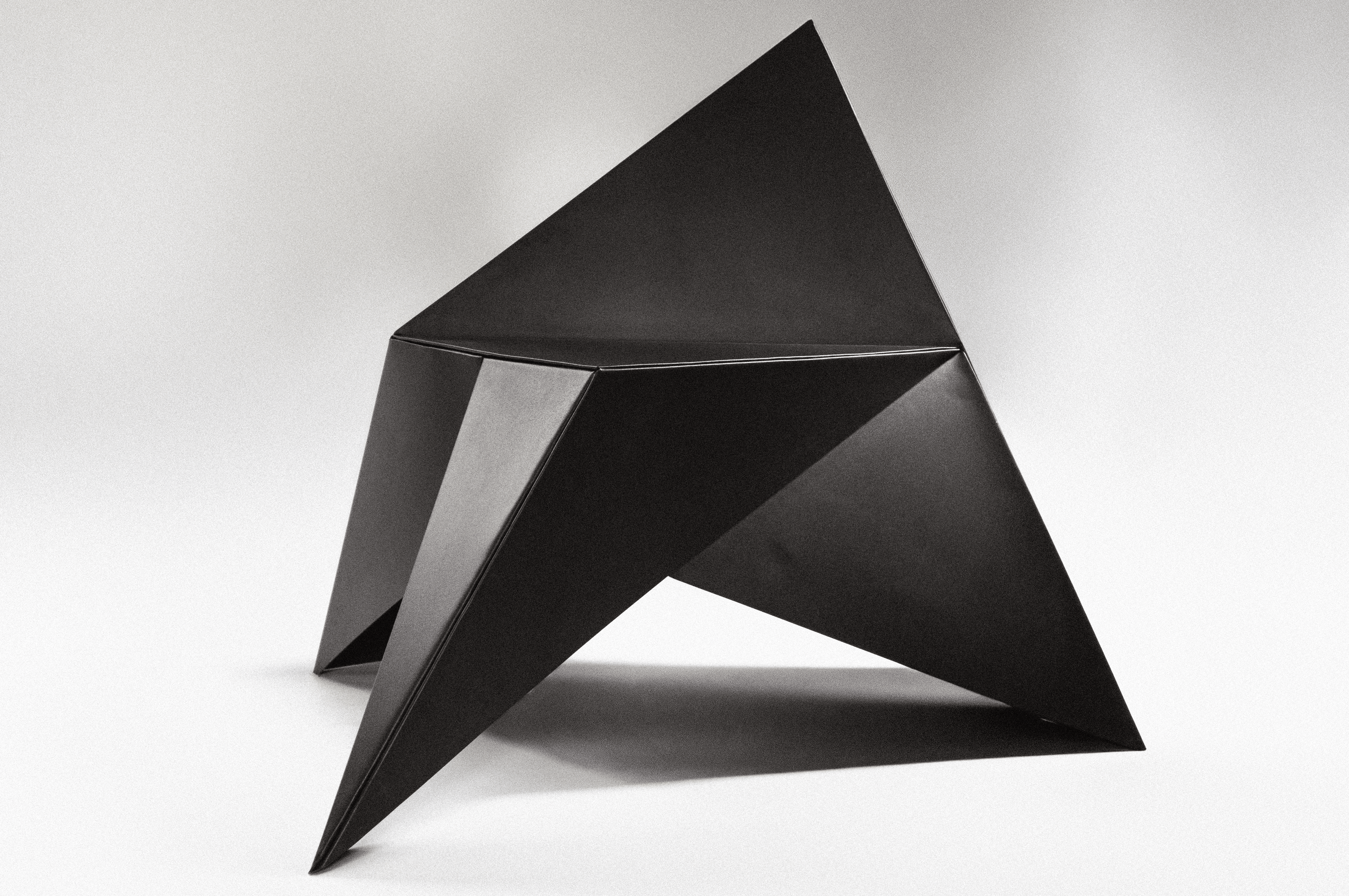
Museum archives are built to preserve but preservation alone doesn't create connection. The Natural Sciences Museum had an Antarctica collection that almost nobody engaged with. The challenge wasn't the content. It was the experience. We redesigned the relationship between visitor and archive from observation to participation. By integrating computer vision, capacitive sensors, and video mapping on physical prisms, the user's body becomes the primary interface, every movement triggers a response, turning a static collection into a living system. The strategic decision was to use Antarctica's core tension, pristine wilderness meeting human presence as the interaction metaphor itself. The more you engage, the more the environment reacts. You don't just visit the archive. You become part of it.

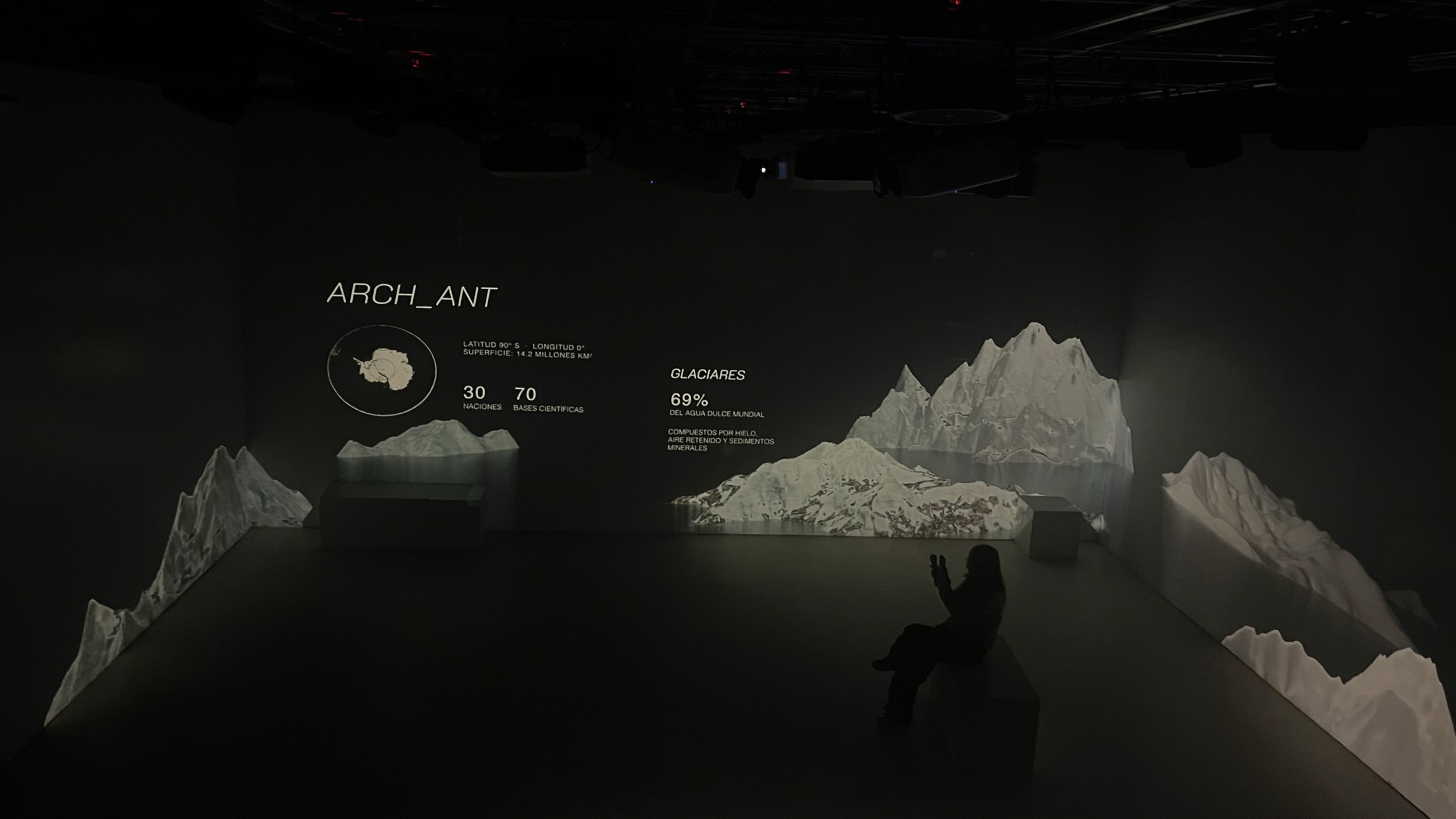
A user-responsive environment built to turn a static archive into a living, reactive system.

A user-responsive environment built to turn a static archive into a living, reactive system.

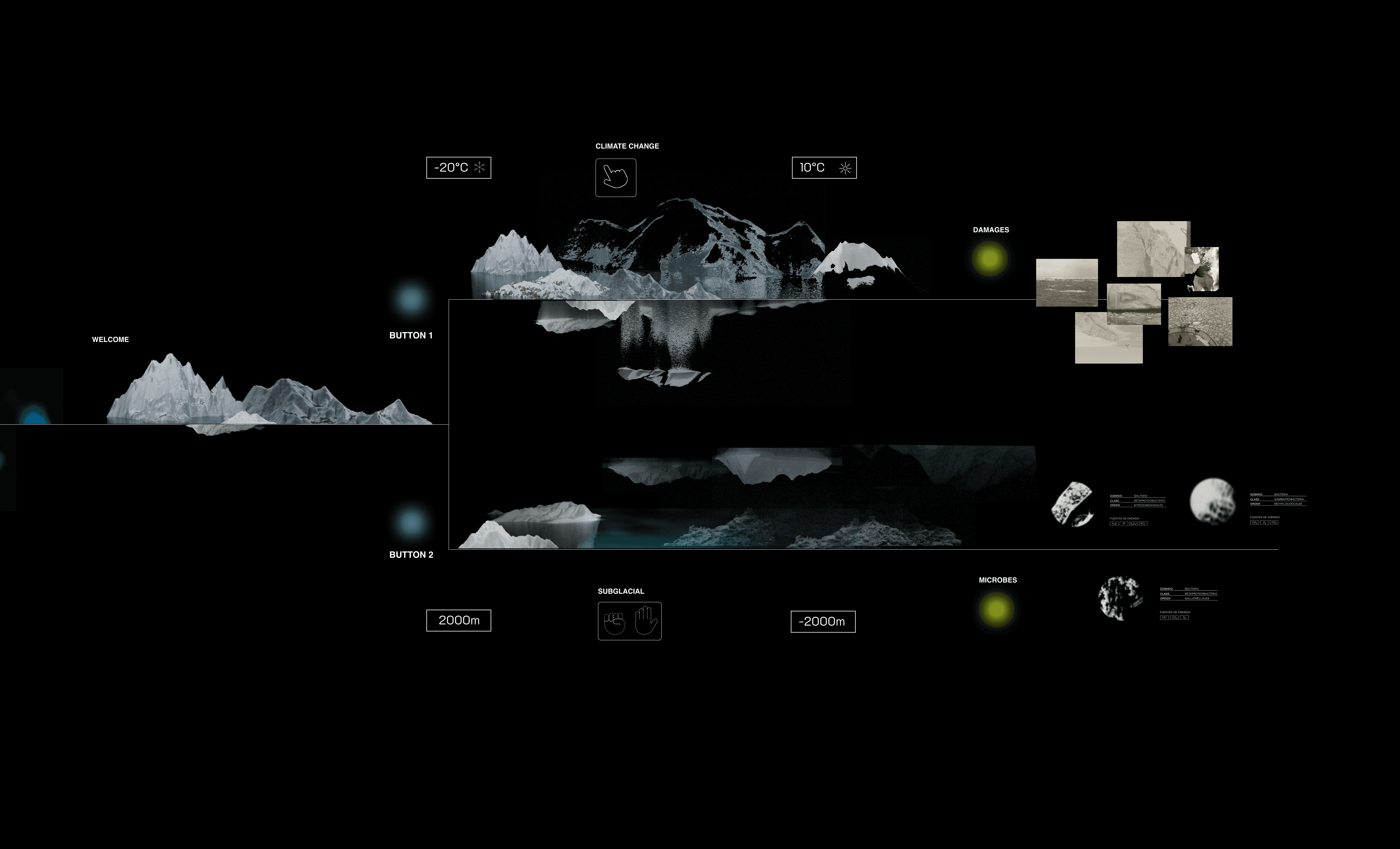
Climate change, subglacial ecosystems, and the broader Antarctic environment — each unlocked through distinct gestures: a vertical swipe controls temperature, opening and closing the hand reveals microorganism layers. One detail that defined the whole logic: the aurora borealis visible at the start disappears the moment a user enters the scene.

Climate change, subglacial ecosystems, and the broader Antarctic environment — each unlocked through distinct gestures: a vertical swipe controls temperature, opening and closing the hand reveals microorganism layers. One detail that defined the whole logic: the aurora borealis visible at the start disappears the moment a user enters the scene.

A close up of a blue and yellow object

Next Project